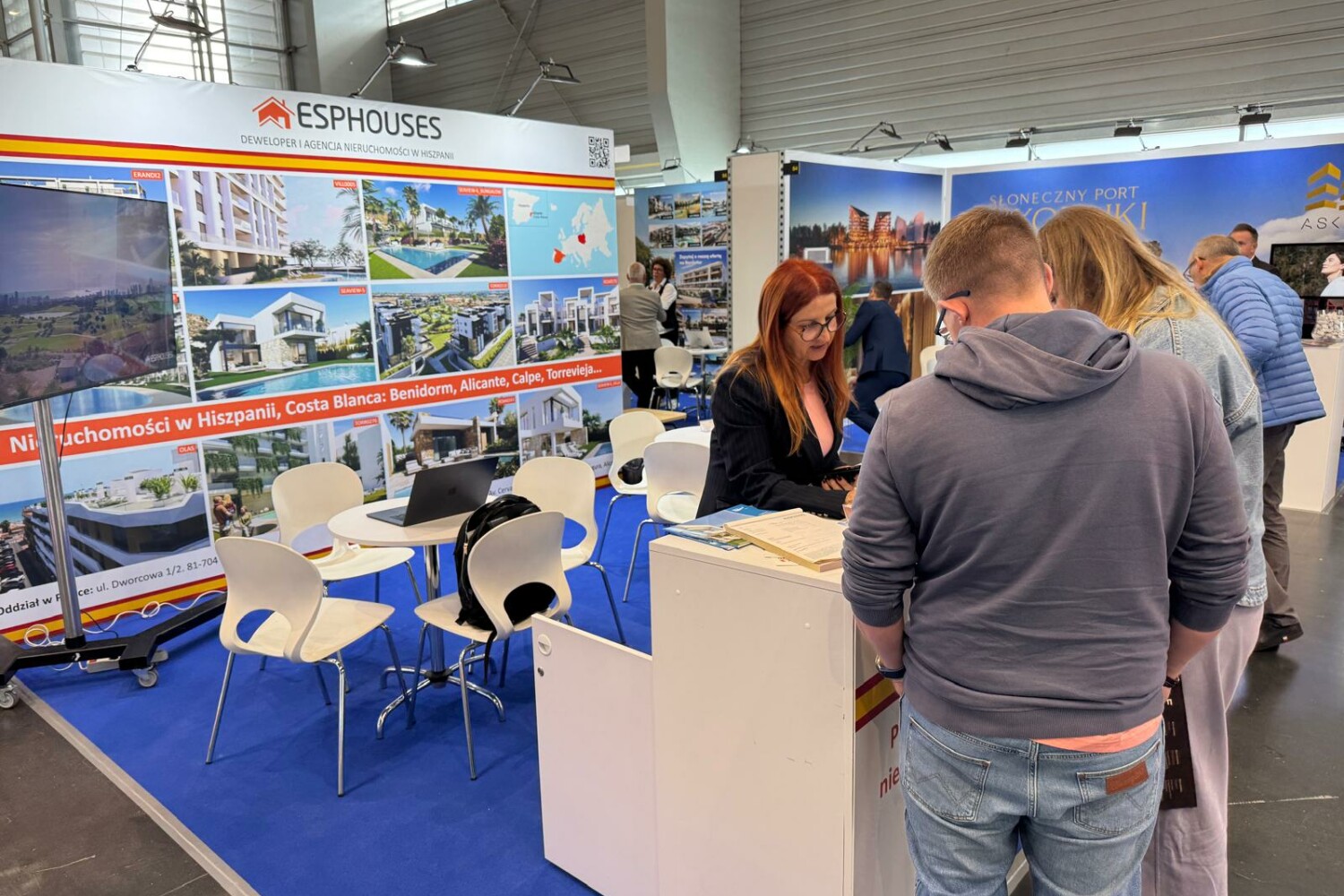
Buying an off-plan property on the Costa Blanca remains one of the most attractive options for those looking for a permanent residence, a holiday home or a real estate investment. Alicante offers a wide range of new developments in locations such as Orihuela Costa, Torrevieja, Guardamar del Segura, Santa Pola, Alicante, Benidorm, Finestrat, Calpe, Jávea, Dénia and Rojales, where new residential projects with excellent specifications and prime locations are launched every year.
However, purchasing a property before construction is completed requires understanding both the advantages and the potential risks, as well as the legal protections available. This guide explains everything you need to know to make an informed decision.
Buying off-plan means purchasing a property while it is still in the planning or construction phase. The buyer signs a purchase agreement with the developer and makes staged payments as construction progresses until the property is completed and handed over.
This option allows buyers to secure a brand-new home at an early stage, often at a more competitive price, while also benefiting from the possibility of personalising certain features.
The main difference lies in the stage of construction.
With an off-plan property, the home is not yet finished, and completion may take between 12 and 30 months, depending on the development.
A completed new-build property, on the other hand, already has its occupancy licence and can usually be completed and handed over immediately.
Purchasing a property during the early stages of a development offers several advantages for both domestic and international buyers.
Developers often launch new developments with introductory prices to encourage early sales.
This allows buyers to purchase at a price that is often lower than the property's market value once construction has been completed.
In addition, buyers may benefit from any increase in property values during the construction period.
Depending on the stage of construction, many developments allow buyers to choose:
This level of customisation enables buyers to tailor their new home to their personal preferences before moving in.
In high-demand areas such as the Costa Blanca, property values often increase while developments are under construction.
If the project sells well and the market continues to grow, the property's value may already have risen before the keys are handed over.
This makes off-plan purchases particularly attractive for medium-term investors.
Although today's legal protections are much stronger than in the past, buyers should still be aware of certain risks.
Construction projects may be delayed due to:
It is essential to review the purchase contract carefully, paying particular attention to:
If the developer fails to meet the agreed completion date without legal justification, buyers may exercise the rights established in the contract and applicable legislation.
Occasionally, technical or administrative reasons may require changes to the original project.
However, such changes must respect the essential terms of the contract and cannot significantly reduce the promised quality without proper justification.
For this reason, buyers should keep copies of all brochures, floor plans, specifications and contractual documents.
One of the biggest concerns when buying off-plan is the possibility that the developer may fail to complete the project.
Spanish legislation protects buyers' advance payments through a bank guarantee or a surety insurance policy, provided the legal requirements are met.
These guarantees offer significant financial protection if the development cannot be completed.
Spain has a robust legal framework designed to protect buyers of properties under construction.
Advance payments made during construction must be secured by either:
If the property is not completed or is not delivered within the legally established conditions, buyers may be entitled to recover the amounts paid in accordance with Spanish legislation.
These guarantees provide a high level of legal security throughout the purchasing process.
Law 20/2015 strengthened the protection system for advance payments made when purchasing off-plan properties.
Under this legislation, buyers have legal mechanisms to recover their funds when the conditions established by law apply, provided that payments have been made in accordance with the applicable regulations.
Before signing any contract, buyers should carry out several important checks.
It is advisable to request:
This documentation provides a clear understanding of exactly what is being purchased.
Having the purchase agreement reviewed by an independent property lawyer is highly recommended, particularly for international buyers.
A legal professional can verify aspects such as:
This small investment can prevent significant legal and financial issues later.
The province of Alicante remains one of Spain's most active real estate markets.
There are currently off-plan developments available throughout the Costa Blanca, including:
The selection includes apartments, penthouses, bungalows, townhouses and detached villas with private or communal swimming pools, located close to the beach, golf courses and all essential amenities.
Buying off-plan allows buyers to secure the best units during the early launch stages, benefit from introductory prices, enjoy a wider choice of properties and purchase homes built to today's highest energy-efficiency standards.
If you are considering buying a new-build property on the Costa Blanca, working with a specialised real estate agency such as ESPHOUSES will help you find the development that best suits your needs while ensuring the entire purchasing process is carried out with maximum legal and financial security. Our team has extensive knowledge of Alicante's new-build developments and supports both national and international buyers from the initial property search through to completion before a notary and key handover.
Explore the latest ESPHOUSES developments and reserve your new home with complete peace of mind. Contact our team today for expert advice with no obligation.